01
Odoo Learning Partner
Official partner credentials across Community and Enterprise delivery.
Python · React · Node.js · AI · Odoo delivery · Odoo Learning Partner

Python · Process automation
Practical business process automation in Python — APIs, files, schedules, and ERP-connected flows that remove repetitive ops without RPA lock-in or AI hype.
We show the delivery record upfront: partner credentials, published case studies, and NDA-friendly engineering work you can review before sending an inquiry.
Official partner credentials across Community and Enterprise delivery.
Community & Enterprise Editions implementations, migrations, integrations, and custom modules.
Custom modules across client projects, integrations, migrations, and partner work.
Software delivery across employment, freelance consulting, and founder-led projects.
Partner-friendly delivery where client names and confidential work stay protected.
Migrations, Shopify, POS, manufacturing, logistics, and self-hosted deployments.
Manual work does not scale
Python automation is for the work your team already understands: syncing systems, generating reports, moving files, posting documents, and closing the loop between ecommerce, ERP, and finance. We build maintainable scripts and services — with clear logs, retries, and ownership — including deep Odoo-connected automation when ERP is in the path.
Encode multi-step procedures that today live in SOPs, inboxes, and tribal knowledge — with human approval steps where needed.
Reliable API and file-based bridges so data does not wait on someone to export a CSV every afternoon.
Nightly reconciliations, inventory snapshots, reminder emails, and cleanup tasks that should never depend on memory.
If you need LLM agents or RAG, that is a different service lane. This page is deterministic process automation and integrations.
Business problems
If your team recognises these, automation has a concrete ROI conversation — not a technology wishlist.
Orders, invoices, or stock adjustments typed into two systems create delay and mismatch.
Managers discover problems in weekly spreadsheets instead of same-day exception reports.
Shopify and marketplace flows break silently; finance only notices when revenue reports disagree.
PDFs, packing lists, and approval trails bounce through email without status in the system of record.
Accounting closes late because reconciliations and accruals are still manual.
Order volume grows faster than the ops team; automation absorbs the repetitive layer.
Capabilities
Deterministic workflows across ERP, APIs, files, reporting, ecommerce, inventory, accounting, and email.
Server actions, queued jobs, import/export pipelines, and controlled RPC/API updates — with Learning Partner depth across Odoo 10–19.
REST clients, webhooks, auth handling, idempotent writes, and dead-letter patterns for flaky third parties.
CSV/XLSX/XML/PDF parsing, validation, archival, and exception queues for bad rows instead of silent skips.
Cron or worker-based schedules with locking so overlapping runs do not double-post documents.
Generate operational and finance reports, drop to Drive/S3/email, and alert on threshold breaches.
Order, inventory, fulfilment, and product sync patterns — including Shopify↔Odoo bridges from our portfolio work.
Reorder signals, warehouse transfers, barcode-driven flows, and exception alerts for negative or stalled stock.
Bank/statement helpers, recurring entries, reconciliation aids, and posting checks that reduce month-end theatre.
Transactional notices, escalation digests, and approval nudges tied to system state — not marketing blasts.
Examples
Representative flows we implement or harden — adapted to your systems and exception rules.
Validate payload, create/update sales order, reserve stock, push fulfilment status back to the storefront.
Compare channel quantities to ERP, open an exception list, and only auto-correct within safe rules.
Ingest invoice files, match PO lines where possible, and queue unmatched bills for human review.
Create shipments via carrier APIs, write tracking back to Odoo, and notify customers on exceptions.
Lifecycle
Map → measure → observe → pilot → maintain. Skipping the map is how silent double-posts happen.
Inputs, systems, failure modes, and who currently owns exceptions. Automation without this map recreates chaos faster.
Minutes saved, error rate, reconciliation lag, or orders touched without human entry — pick measurable outcomes.
Structured logs, retries, alerting, and a clear “what to do when it fails” runbook.
One warehouse, one sales channel, or one document type before expanding rules.
Document contracts and schedules; optionally move into support so jobs stay healthy as volumes change.
Security
Automations often hold the keys to finance and inventory — design them like production services.
API keys and ERP users scoped to required models/operations — not shared superuser accounts in scripts.
Prefer reversible, logged writes. Idempotency keys prevent duplicate postings on retry.
Environment secrets or a vault — never committed tokens in repositories.
Minimise PII in logs; encrypt sensitive files at rest when automation stores intermediates.
ERP-connected work
Many automation projects eventually touch ERP. As an Odoo Learning Partner with Odoo 10–19 delivery experience and published case studies (including Shopify↔Odoo and logistics flows), we design automations that respect accounting, inventory, and multi-company realities — not just happy-path API demos. Odoo 10–19 · Community & Enterprise Editions.
Prefer reviewing published delivery proof first — then scope the automation against your actual systems of record.
Security habits
Credentials stay out of repositories and use least-privilege accounts.
UI may hide actions; permissions are enforced where they matter.
Reject bad payloads early — especially on public APIs and webhooks.
Risky changes get staging verification and an agreed production window.
Documentation
How to run, configure, and release the system after we leave the room.
IDs, webhooks, and sync rules written down so retries do not become mysteries.
Non-obvious trade-offs captured so future changes do not re-open settled debates.
Access checklist, open items, and contacts when you move to internal ownership or another partner.
Why trust this engagement
Relevant proof only — full credentials and portfolio remain available site-wide.
Process and integration work — not AI hype.
Odoo 10–19 depth when automation touches inventory or accounting.
Published ecommerce↔ERP patterns in portfolio.
Retries should not double-post.
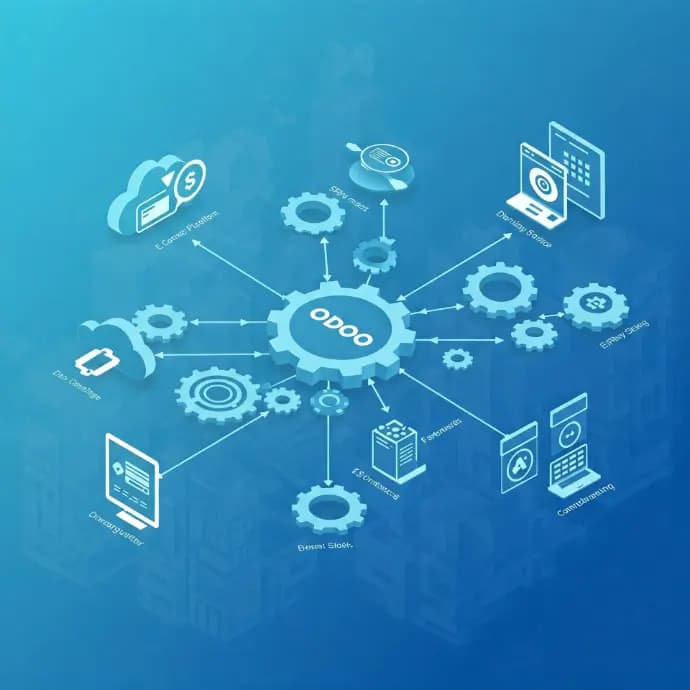
Shopify–Odoo automation
Shopify storefronts connected to Odoo operations — connector sync, stock-aware merchandising, multi-website infrastructure, and custom Product Automation with logging and Manual Run.
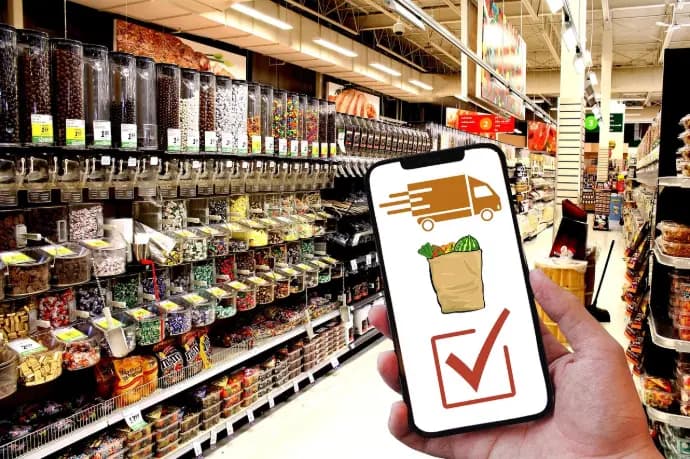
Logistics & warehouse
Odoo for high-volume trading and distribution — barcode-driven warehouse picking, shipping automation, and clearer stock states from purchase through delivery.
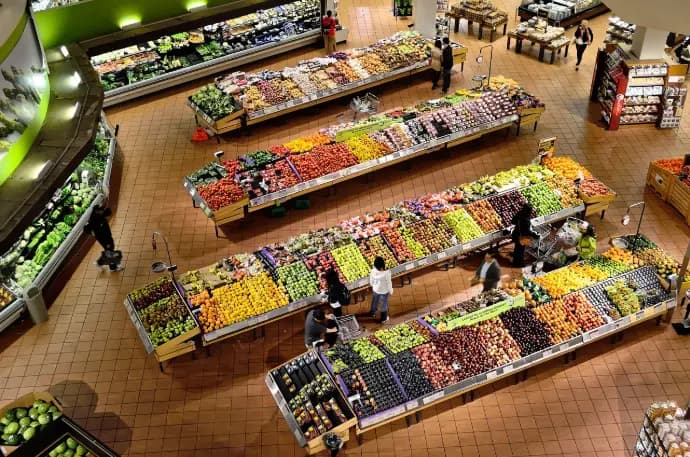
Retail & ecommerce operations
Multi-channel retail across brick-and-mortar and Shopify ecommerce. Custom Odoo modules for Shopify sync, landed costs, fiscal printers, warehouse ops, and management reporting — cutting manual entry and speeding month-end reconciliation.
Published guides, tools, and comparisons — no manual URL required.
Next step
Process jobs often sit on FastAPI/Django services — see Python Backend when you need both.
No. Python Automation focuses on deterministic process and integration work. AI Automation covers agents, RAG, and LLM-assisted workflows. Many clients need both — but they solve different problems.
No. We automate across APIs, files, and databases generally. Odoo is a frequent system of record for our clients, so ERP-connected automation is a strength — not a requirement.
Often yes. We assess failure rates, secrets handling, and whether to harden, rewrite, or replace with a service. Rescue-style triage applies when production depends on an unowned cron.
Idempotent design: external IDs, dedupe keys, transactional boundaries, and explicit retry policies. This is non-negotiable for finance and inventory automations.
Monitoring, dependency updates, and rule changes as the business evolves. Automations can sit under a support retainer once live.
We prefer API and data-level automation. UI bots are a last resort when no interface exists — and we say so upfront because they are brittle.
Yes. We baseline access, risks, and documentation gaps first. Unstable systems may need assessment (or Odoo Rescue) before a standard retainer or dedicated seat.
You do. Deliverables land in repositories and environments you control. We do not lock work behind proprietary hosting you cannot leave.
Yes — run/deploy notes, integration contracts, and handover packages. Documentation is part of delivery, not an unpaid afterthought.
Knowledge transfer, then a 30-day complimentary window for implementation bugs in our delivered work. Ongoing care moves to a maintenance or Odoo Support retainer if you want continuous coverage.
After you contact us
Clear expectations reduce buying uncertainty — no mystery black box after you hit submit.
Within one business day we confirm understanding, ask for missing access/context, and propose the right engagement type.
Project, dedicated capacity, support retainer, or rescue assessment — matched to your constraint, not a generic package.
Scoped next step, commercial terms, and kickoff checklist. No hostage tooling — your repos and credentials stay yours.
List the systems involved, failure modes today, and which process should be automated first.